
The 2026 Urgent Care Bootcamp took place at the Ellerslie Novotel in Auckland on September 18-20.
This coincided with the 25th Anniversary of the scope of urgent care being recognised by the Medical Council of New Zealand, a world first that remains the only recognised scope of urgent care worldwide. We gathered for a weekend of education and celebration under the theme of “Reflecting Forward” or in Te Reo – “Ka mua ka muri”.
This was the biggest Bootcamp yet. For the first time, we had 3 full days of activities, and Saturday night was the Fellowship ceremony and dinner, which saw new Fellowships awarded, along with the first 3 Distinguished Fellowships.
Friday Workshops
There were three workshops on the Friday of Bootcamp.
EMCARE hosted a resuscitation refresher course. They are an endorsed provider that offers CRE advanced as well as 4-hour refreshers for UC recertification – https://www.emcare.co.nz/
5 UC Fellows with many years of experience in teaching point-of-care ultrasound put on a POCUS workshop that looked to provide a practical, hands-on introductory experience for urgent care clinicians. We are grateful to Willem van der Merwe, Kelvin Ward, Jannet Probble, Kathie Blacktop and Brendan Kane for putting on an excellent session, and we are grateful to GE and Fuji SonoSite for providing machines. Cleo Pitout, our operations manager, also deserves a shout-out for pulling together sponsors, equipment, teachers, participants, models and the venue to ensure the workshop was a success.
The final workshop of the Friday was an inaugural in-person meeting of the newly formed research network. We had a wide range of experienced researchers and those with an interest who represented all parts of the world, from Essex in the UK, to Dunedin in the far south, via Denver, Rhode Island, North Carolina, Brisbane, Sunshine Coast, Christchurch, Kaitaia, and Hamilton. Much was discussed, and the group has a developing structure and direction that will hopefully help support and generate UC-specific research to be conducted here in NZ. If you are interested, check out this link or email UCAN@rnzcuc.org.nz
Saturday
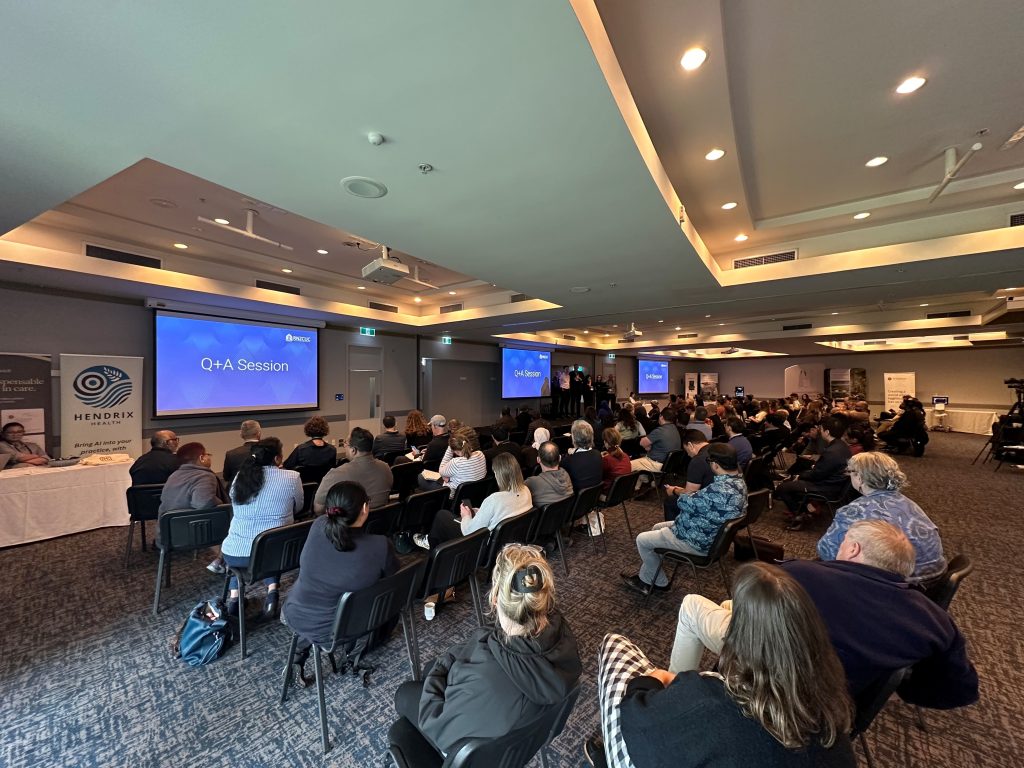
Saturday had a familiar feel for those who have attended a Bootcamp before. The mainstay of the talks were 15 minutes long, delivered in groups of 4 with a group Q+A at the end. There was a wide variety of topics, all delivering a take-home pearl for urgent care practice.
It is one of the strengths of Bootcamp that we invite any urgent care clinician to volunteer a talk, and we are always delighted by the talks that are suggested. We had clinical, case-focused topics, like orbital cellulitis and vertebral artery dissection, alongside general clinical topics like nail bed repair and rabies. We had a very valuable session recognising family harm and an eye-opening talk on heat illnesses that will be increasingly seen in a warming world. One of our American visitors, Dr Chris Chao, gave a wonderful insight into the potential of point-of-care testing in urgent care and, having shown its utilisation in the US, was able to use local NZ data to evaluate how point-of-care GAS testing might be of use to NZ clinics.
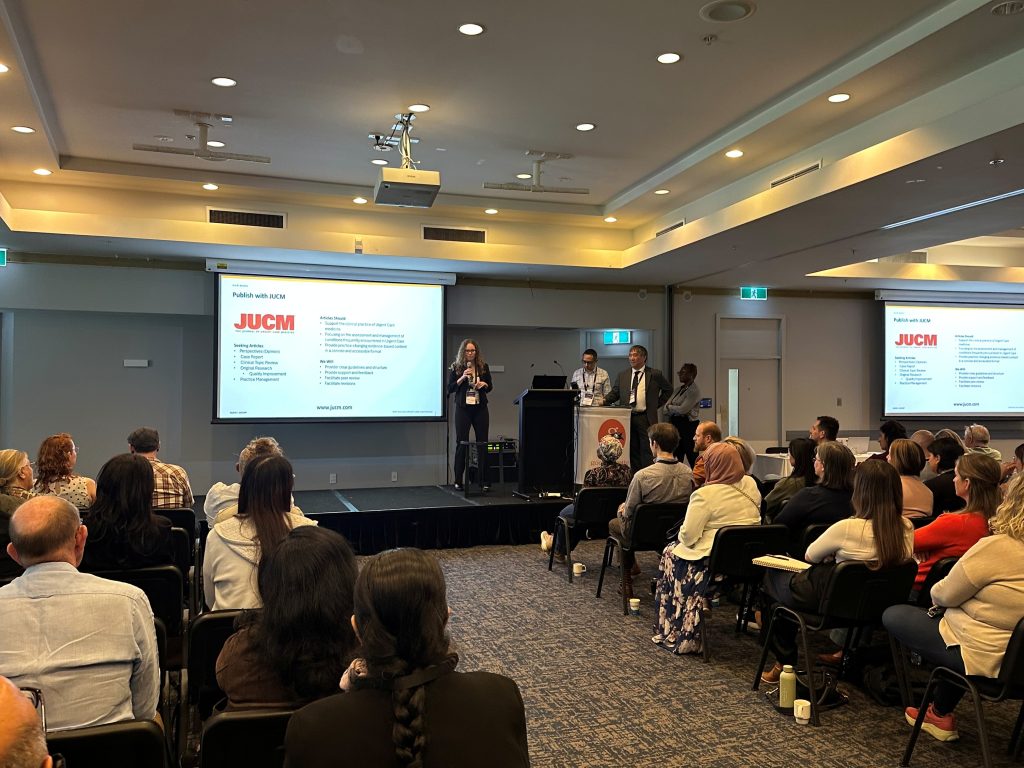
In addition to the classic Bootcamp talks, Saturday also included a few longer talks in the middle of the day. We heard about the work of the Urgent Care Association, the College of Urgent Care and the Journal of Urgent Care Medicine. Dr Cassandra Donnelly is president of the Urgent Care Association; Dr Chris Chao and Dr Cesar Mora Jaramillo are past Presidents of the College of Urgent Care, and Dr Lyndsey Fish is the current President of the College of Urgent Care and the editor-in-chief of the Journal of Urgent Care Medicine (JUCM). They provided a fascinating insight into the urgent care sector in the USA and demonstrated how important it is for us to collaborate as urgent care clinicians to grow our speciality worldwide. We also had a demonstration of a virtual tool for examining patients remotely, called Tytocare, and we had a presentation on a case of nitrous oxide recreational misuse from Dr Ivan Koay, a case that has just been published in JUCM.
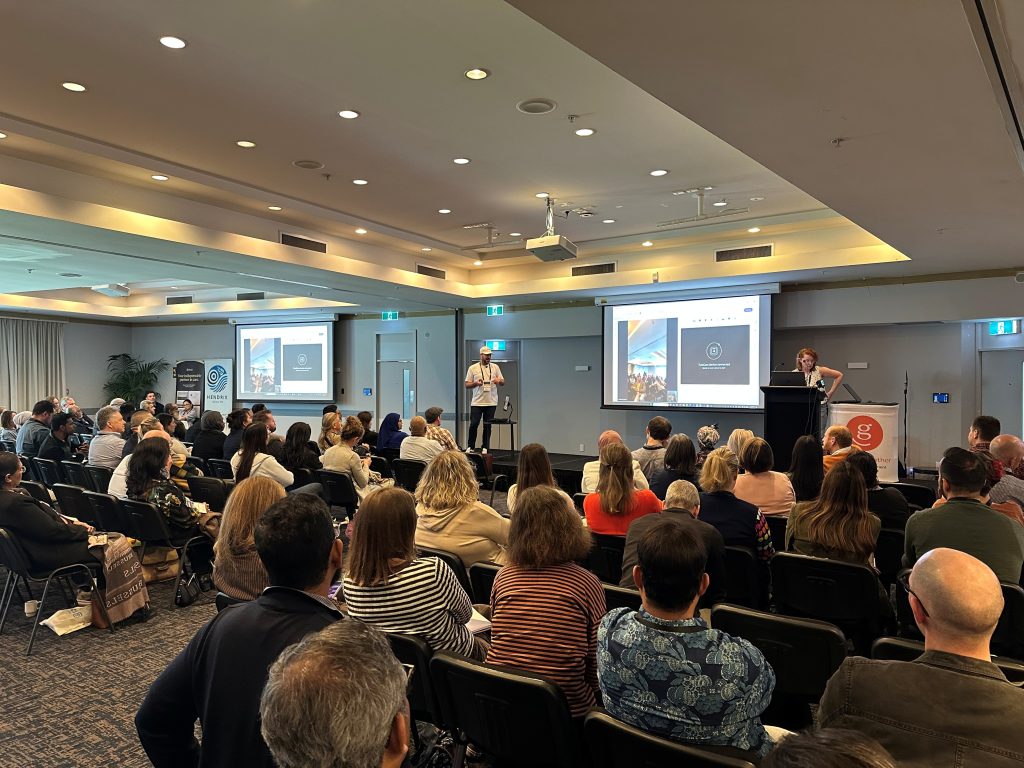
All in all, the Saturday of Bootcamp was filled with urgent care relevant education and discussion. I was delighted to see the packed room engage with talks, but also the conversations that took place between sessions over coffee and lunch and with the various sponsors meant that there was a buzz throughout the weekend. Once all was done for Saturday, it was time for new Fellows to receive their awards, for the presentation of the very first Distinguished Fellowship awards and for the dinner to celebrate these new Fellows and our 25 years as a speciality.
Sunday
Sunday began with a sponsored coffee cart, courtesy of Tamaki Health, and continuing the tradition of Sunday morning slots started in Wellington, Dinesh Deonarain and Laura Hamill got the day started with some busting of ingrained myths.
In a break from previous Bootcamps, we then had a full day of Sunday talks delivered by external specialists.
We started with an excellent breakdown on making surgical referrals from the community from Dr Rebecca Schroll, an Auckland-based trauma surgeon. It can be difficult to make referrals with diagnostic uncertainty to the surgical service, and Rebecca’s understanding of this difficulty helped provide some clarity and support to this process.
Next up, Dr Tony Smith, an intensivist and co-Medical Director for Hato Hone St John, spoke to us about the importance of out-of-hospital CPR. Improving our teamwork to ensure quality, early CPR and defibrillation can improve outcomes. It was also eye-opening to learn of new, pocket-sized defibrillators. We were thankful to the Medical Assurance Society for providing Tony.
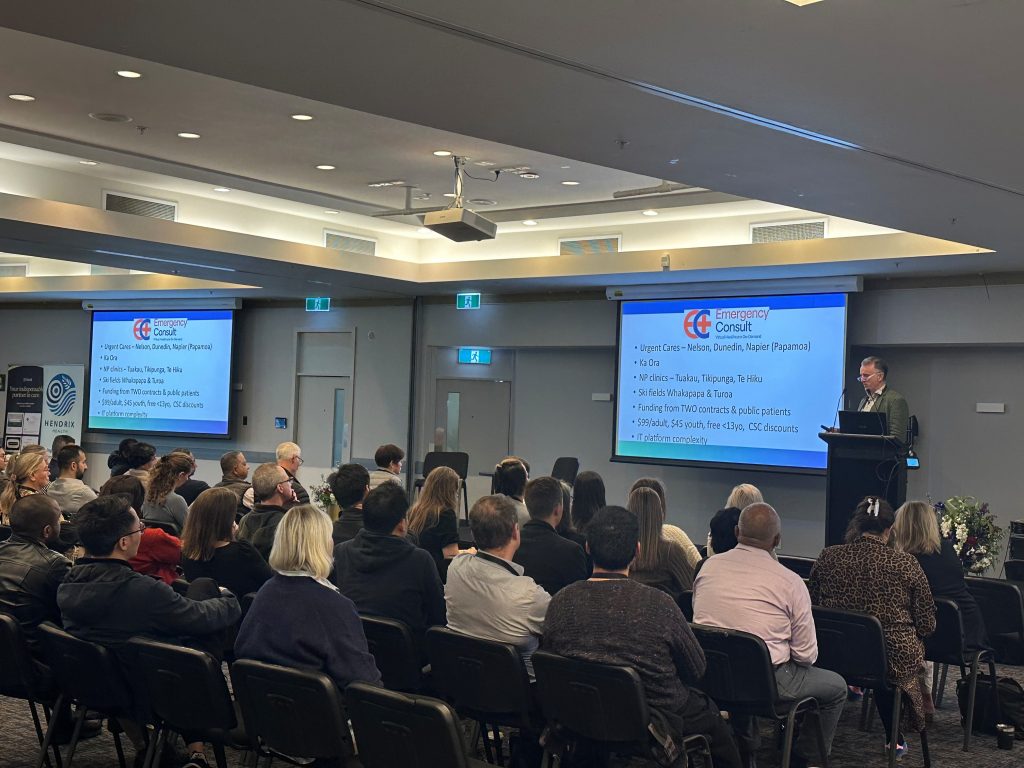
Next up, former president of ACEM and one of the directors of Emergency Consult, Dr John Bonning spoke to us about Telehealth in urgent care. John’s experience with Emergency Consult made him the perfect person to talk to us about what is becoming an important part of acute care.
After a break, we heard briefly from Enovis, a long-time sponsor of the Bootcamps, and this was followed by Dr Moushoumi Das, a dermatologist. Moush was due to speak to us in Wellington, but her plane broke down on the runway, meaning she had to Zoom in to give her talk. So, this year we got to hear from her in person, and she covered all the urgent dermatological conditions we need to consider in our practice.
We then had a talk from Dr Andrew Stacey, on behalf of the Medical Protection Society, and he covered the medicolegal considerations of telehealth and AI. We always enjoy hearing a medicolegal update from Andrew, and this year the topic tied in nicely with our theme of reflecting forward.
After Andrew, we had a panel discussion. Our 4 American visitors were joined on stage by Dr John Adie, who has been leading the College efforts in Australia, and the discussion focused on how the global urgent care community can help grow the speciality around the world.
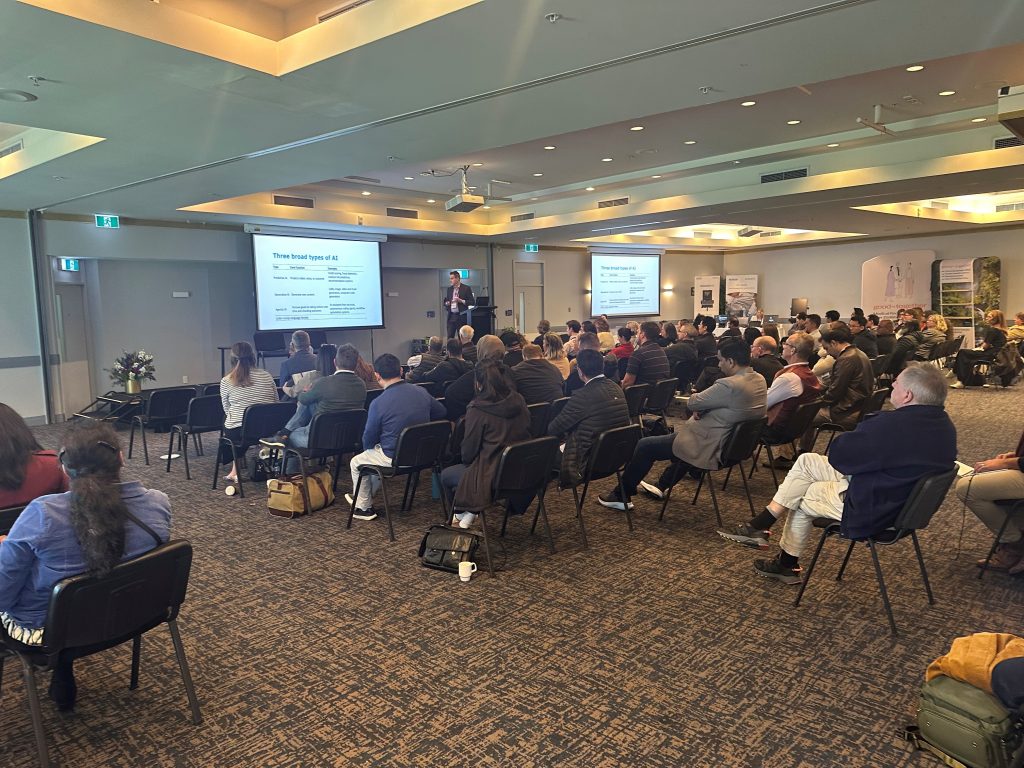
Next up, we heard from Professor Craig Webster, from Auckland University. Craig talked to us about AI in healthcare, and it was fascinating to hear about how AI works, how it is used in healthcare, and to hear a balanced view on where we are heading. Overall, I felt that there was cause for embracing some aspects of AI, while maintaining a healthy dose of scepticism.
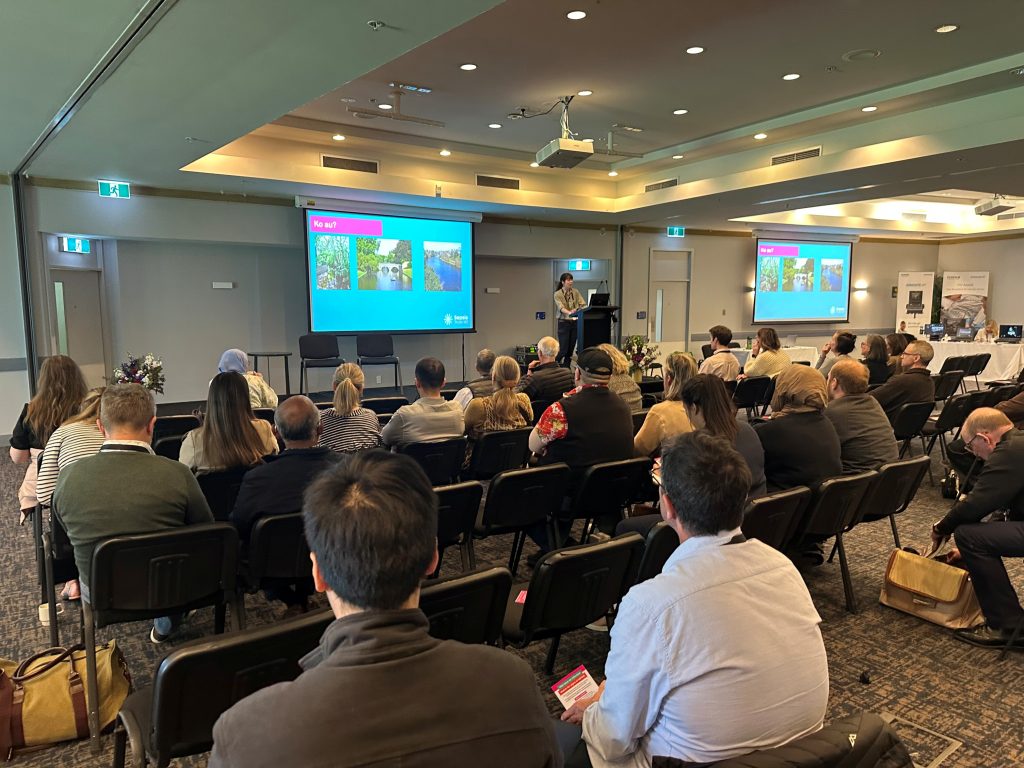
After lunch, to tie in with Sepsis Awareness Month, we were lucky to be joined by Dr Katie Walland, courtesy of the Sepsis Trust NZ. Katie is an infectious disease specialist and spoke to us about all aspects of sepsis, including the new pathways from the HQSC and patient take-home cards from the Sepsis Trust. We are grateful for the ongoing education provided by the Sepsis Trust over the years and we look forward to ongoing collaborations.
Our final talk was an update on the new Work Based Assessments from our Education Convenor, Dr Adrianne Pimentel. This was an important update on progress as the College rolls out these new ways of assessing and supporting training.
Reflecting forward
Reflecting on the weekend, it is fair to say that this was our biggest and best Bootcamp conference. Each year has built on previous years, but the addition of the 25th Anniversary celebrations added an extra sense of occasion. Another factor that made this year feel bigger was the number of overseas representatives present. We had Fellows joining us from Australia and the UK, and our American colleagues not only provided wisdom and expertise but also injected an enthusiasm for urgent care that flowed throughout the weekend. As a gathering of urgent care clinicians, this Bootcamp was a heartwarming, career-affirming celebration that reminded us all why it is so important to have a collective of like-minded people working together for the improvement of our speciality, and for the benefit of our patients and community.
Looking back at 25 years, and more, of urgent care in New Zealand shows how far we have come, and allows us to appreciate and thank those who have put in the hard work to get us to where we are today. Many of those people were present to celebrate, and we thank them wholeheartedly.
Looking forward, healthcare has challenges, but it is clear that urgent care has a body of clinicians that can weather any storms. AI and telehealth will be a part of our armoury in the future, but patients needing urgent care will always need and appreciate the human touch.
This Bootcamp weekend reminds us of the need to keep learning, to keep asking questions, to reflect on all we do and to strive to be our very best in the future. Thank you to all who attended, with special mention to those who travelled from overseas, to Adrian Metcalfe and Cleo Pitout for all their hard work behind the scenes, to the team who arranged the POCUS workshop, to Alex Cristea, Kevin Clouzeau and David Sorrell, to all the speakers, sponsors, and hotel staff.
I hope to see you all again in 2 years,
Guy Melrose, October 2026